
 Brothers2026 · Comedy
 The Darling Buds of May
BrokenSilenze: comedies and family series, from The Darling Buds of May, In the House and The Parent 'Hood to Instant Mom, The Worst Week of My Life and Make It Pop, and where to watch them
189 English-language series from Britain, America, Australia and beyond, 1981 to 2026, chosen for the whole household.
Latest
Brothers2026 · Comedy New Zealand Spy2026 · Comedy, Drama
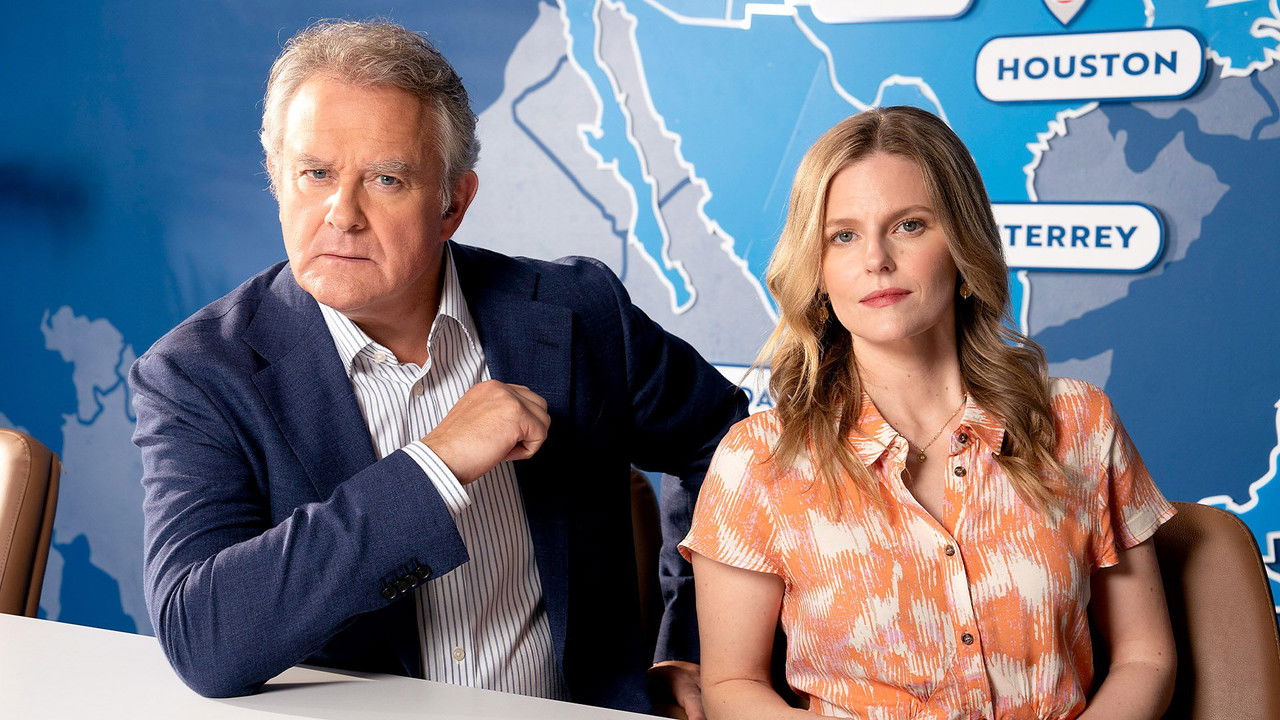 Twenty Twenty Six2026 · Comedy
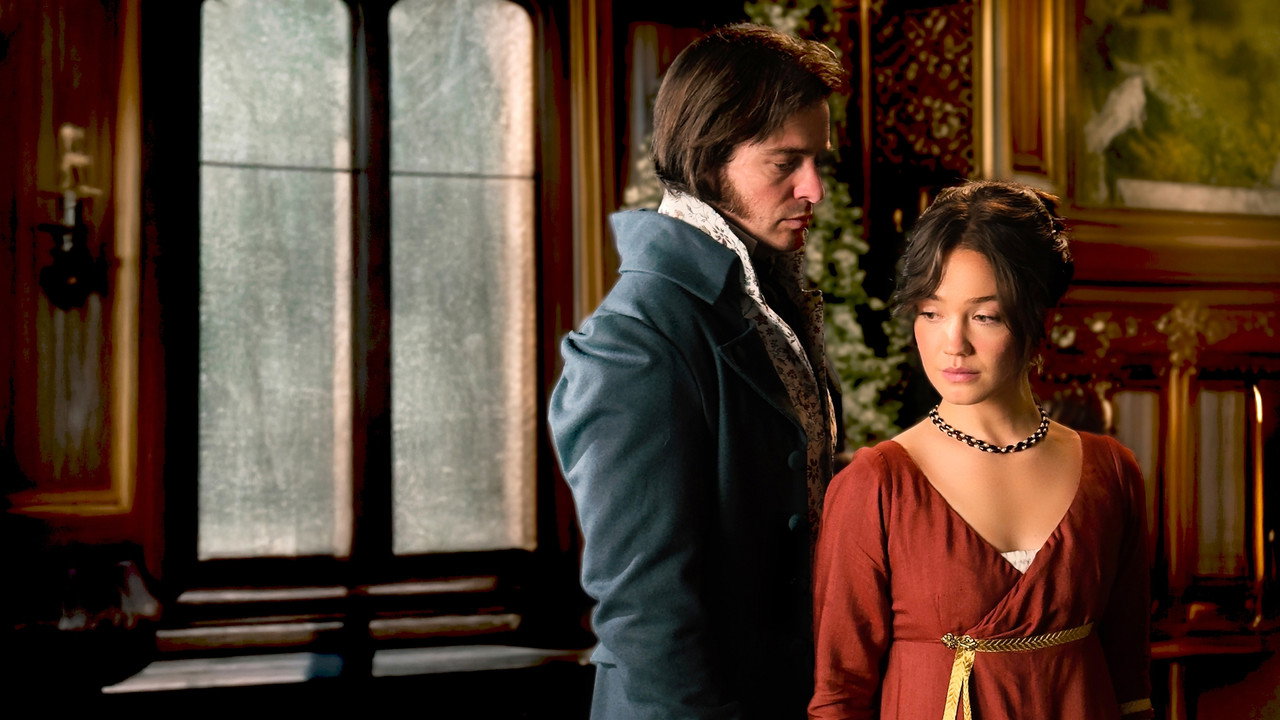 Seeking Persephone2026 · Drama
 Stumble2025 · Comedy
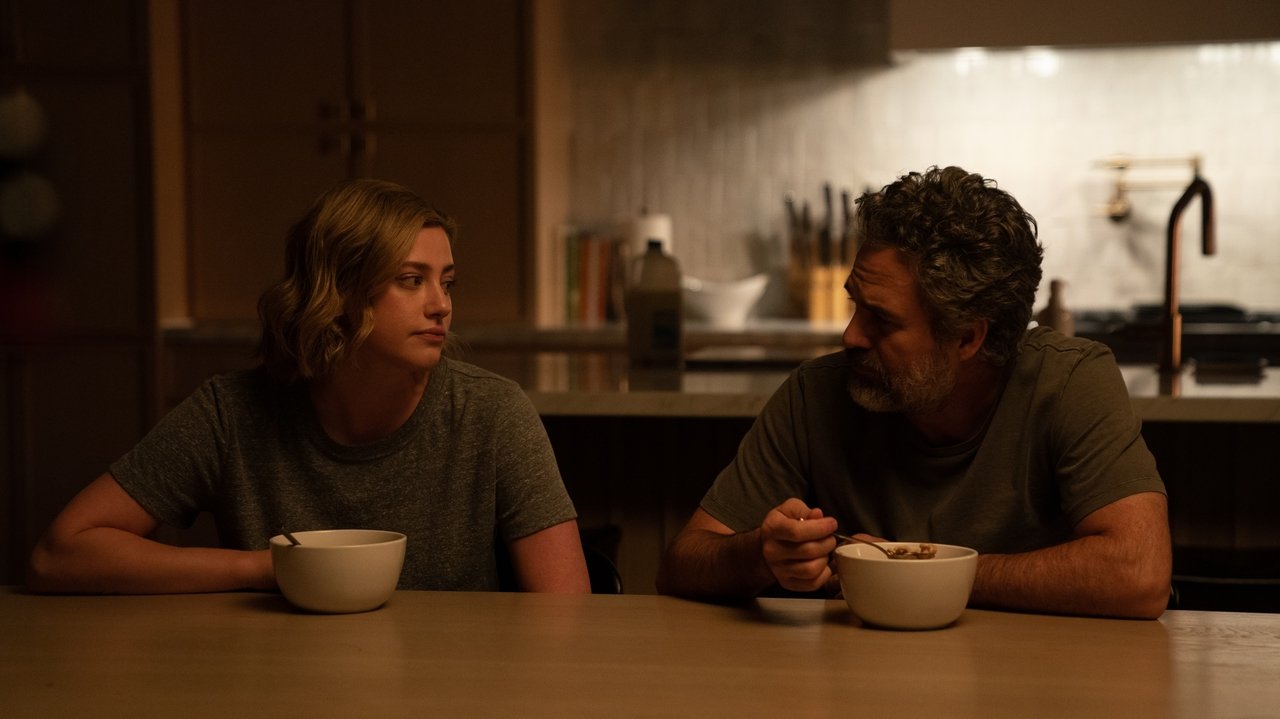 Hal & Harper2025 · Comedy, Drama
Comedy
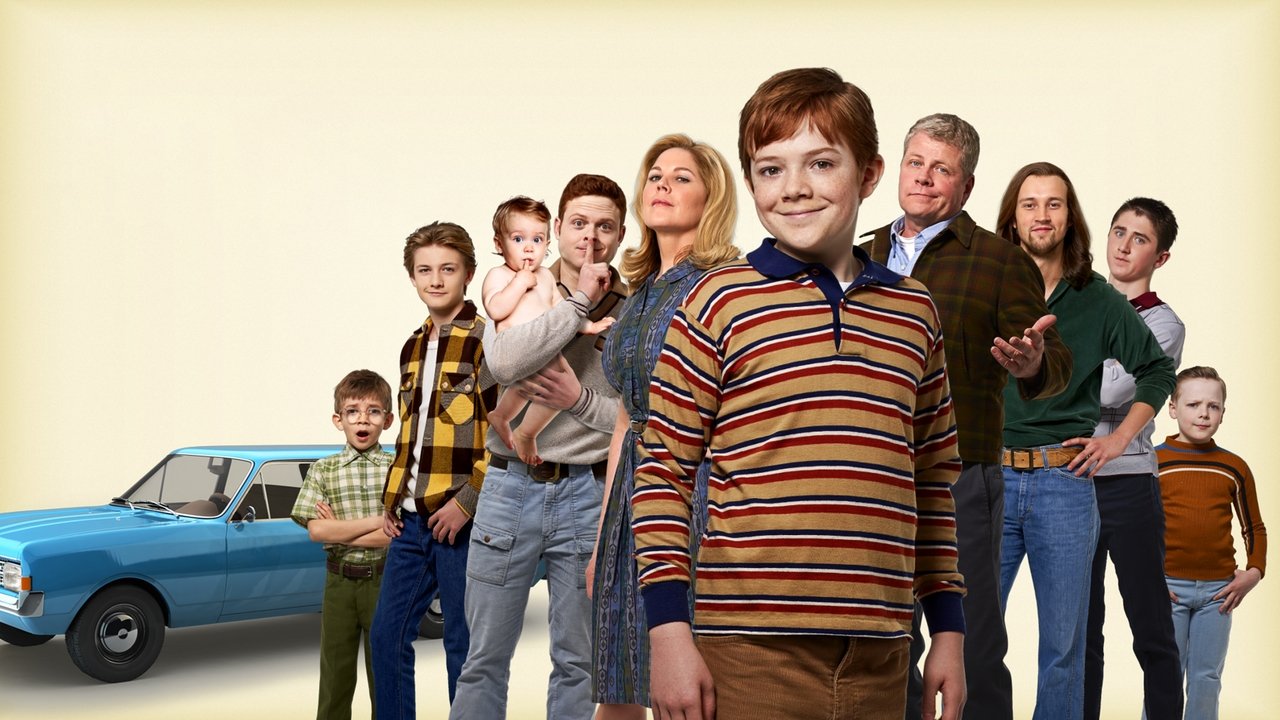 The Kids Are Alright2018 · Comedy
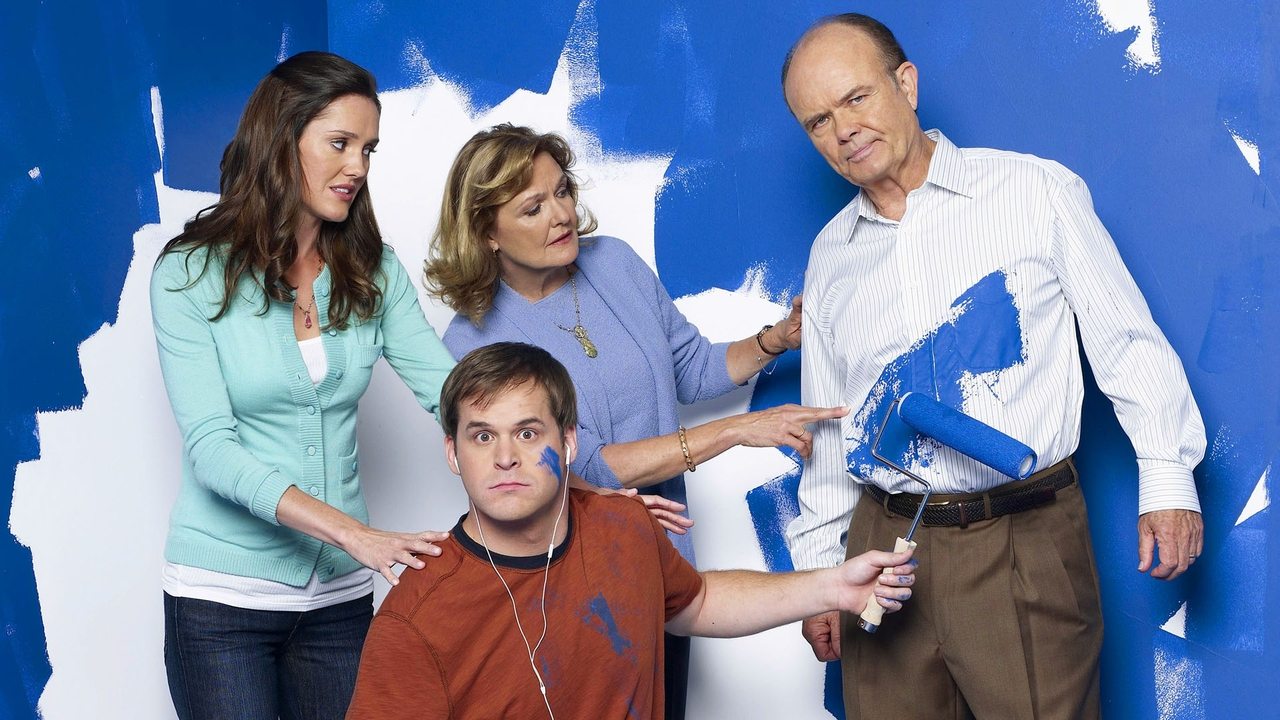 Worst Week2008 · Comedy
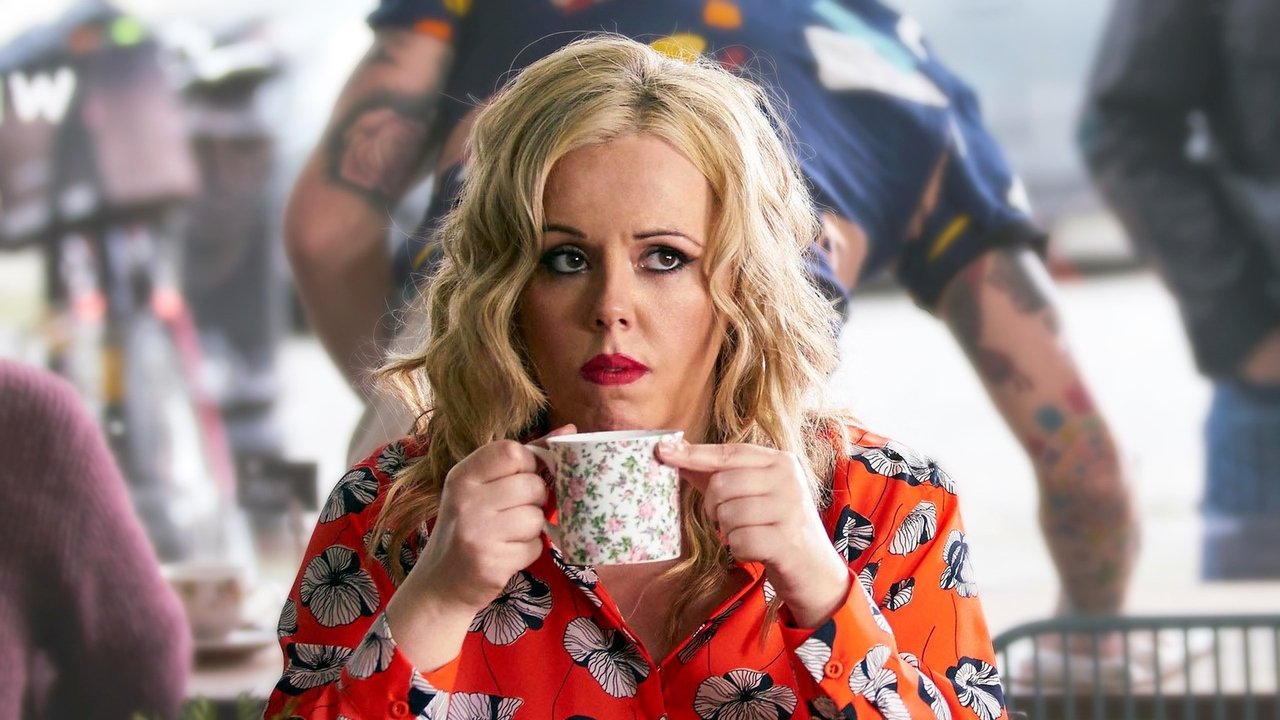 GameFace2017 · Comedy, Drama
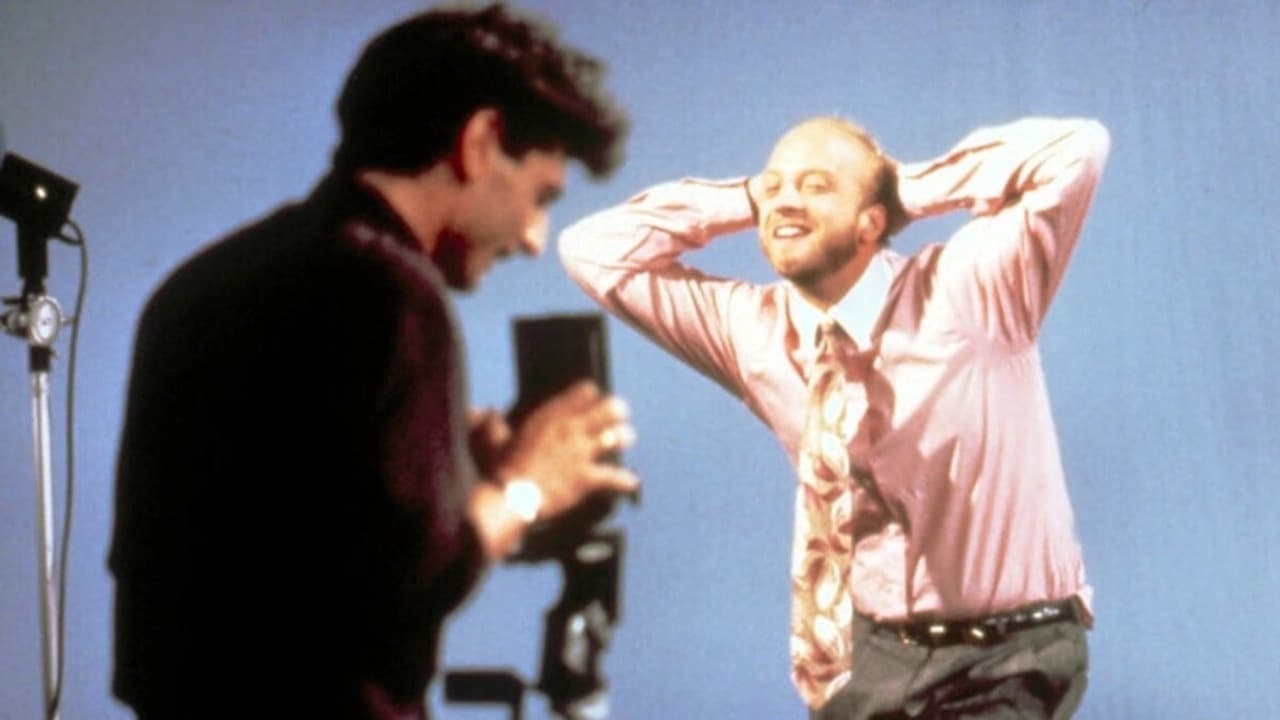 Get a Life1990 · Sci-Fi & Fantasy, Comedy
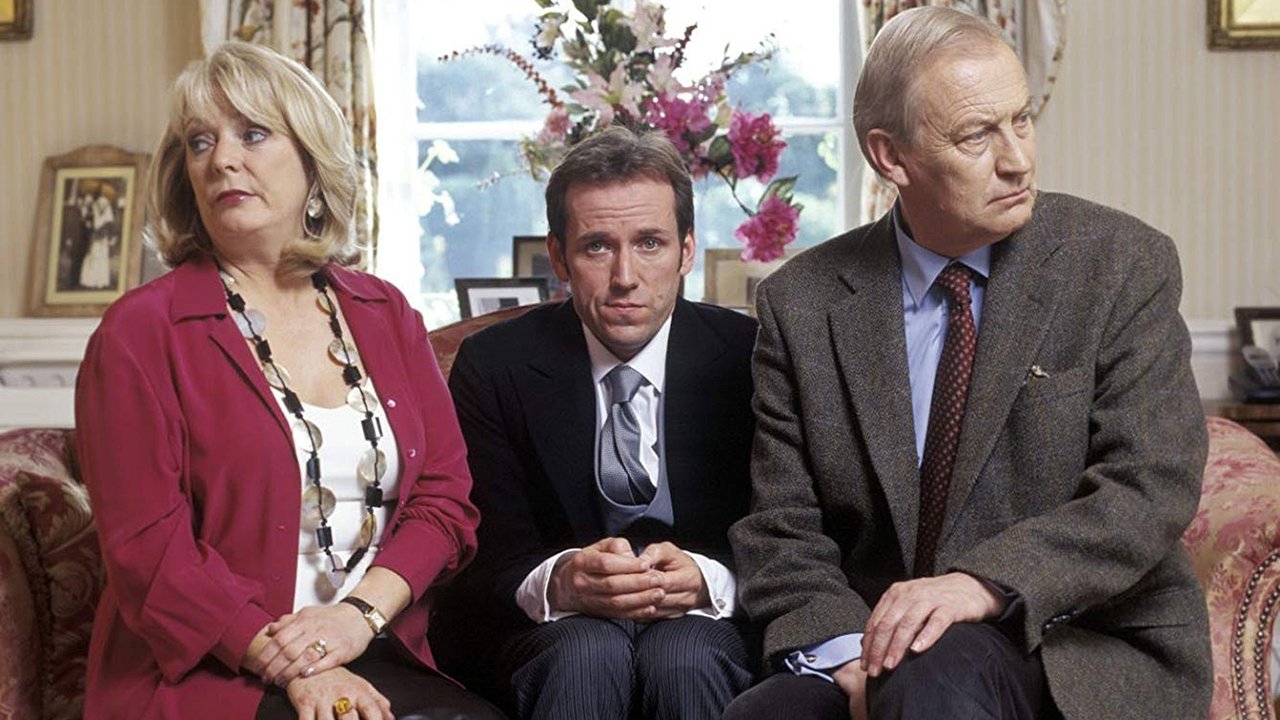 The Worst Week of My Life2004 · Comedy
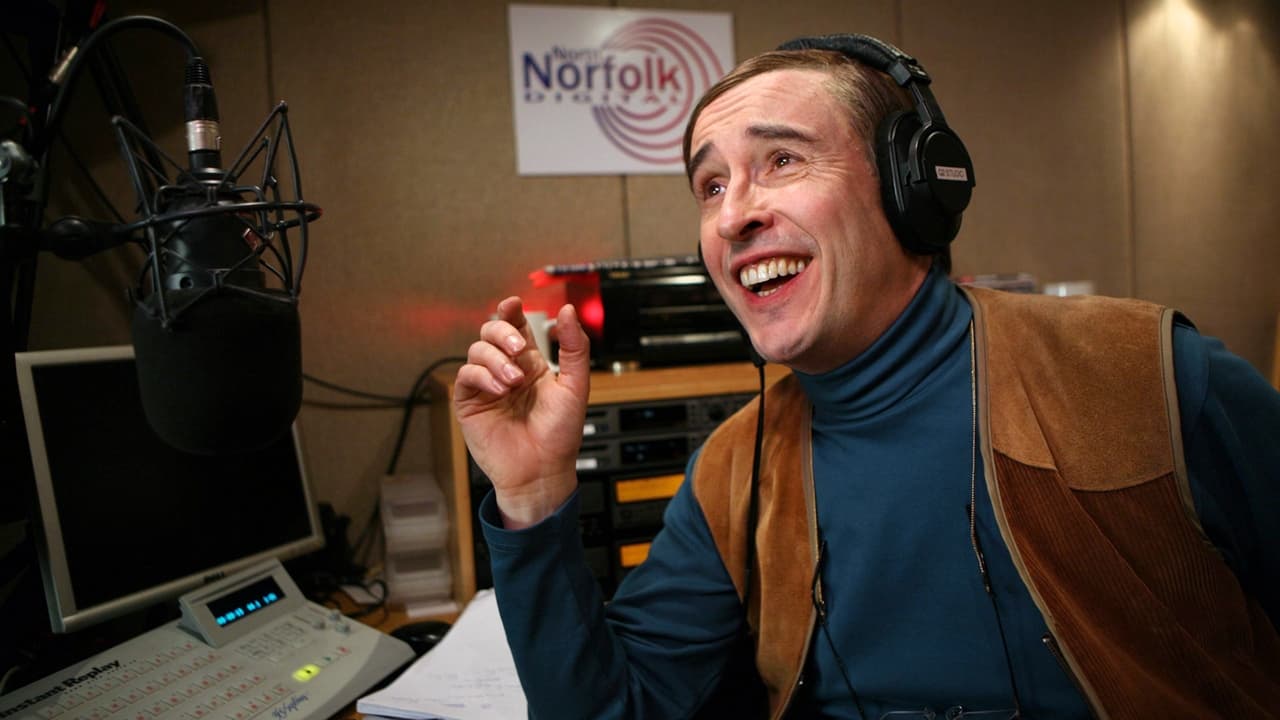 Mid Morning Matters with Alan Partridge2010 · Comedy
Family
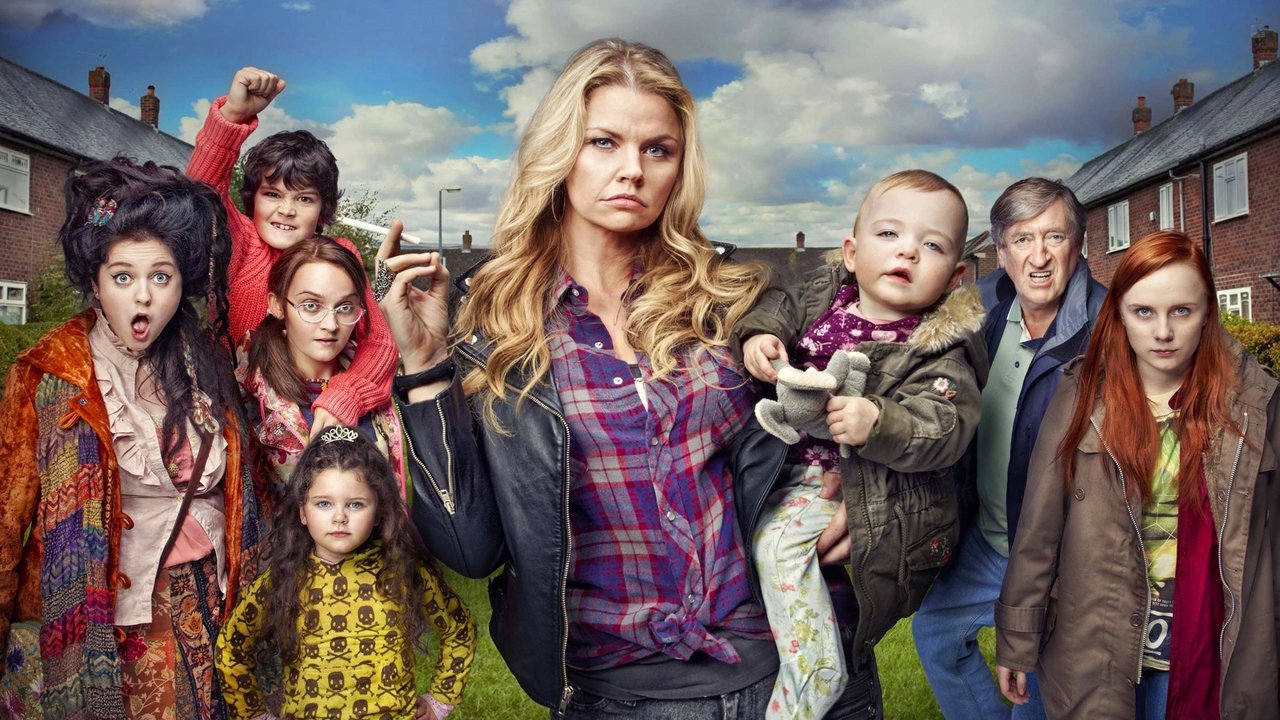 Raised by Wolves2015 · Comedy
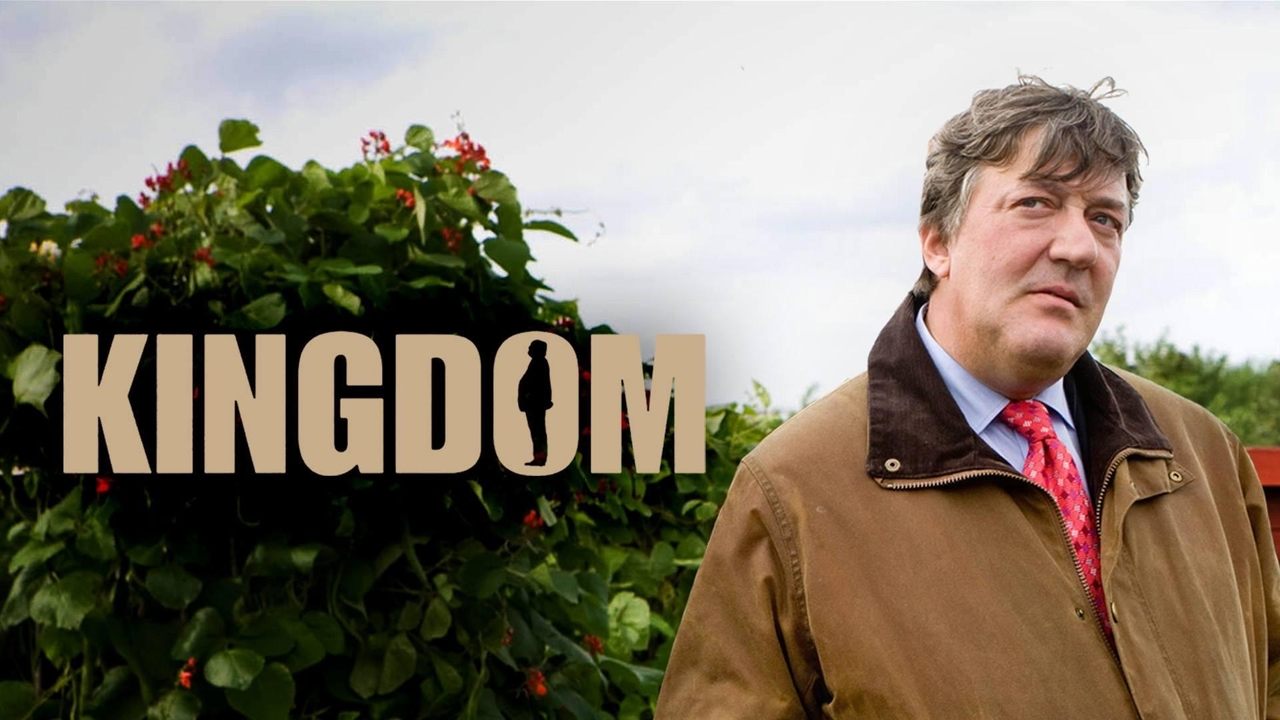 Kingdom2007 · Drama, Comedy
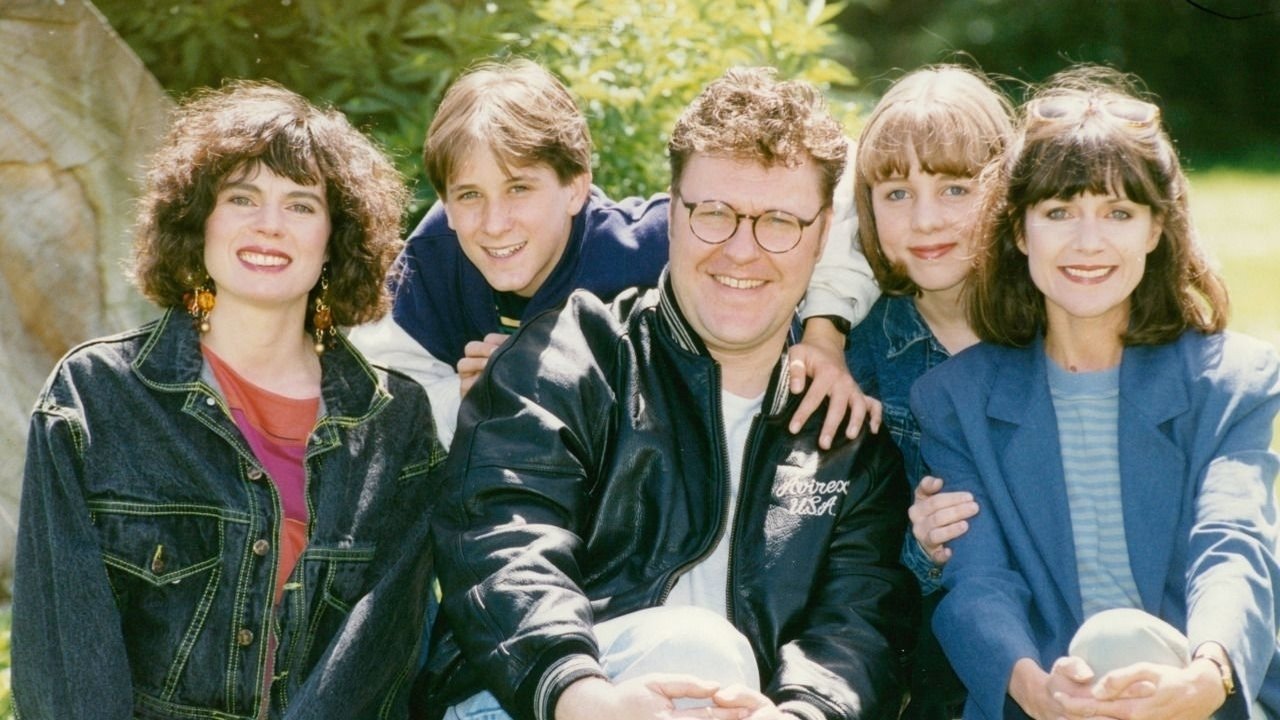 2Point4 Children1991 · Comedy
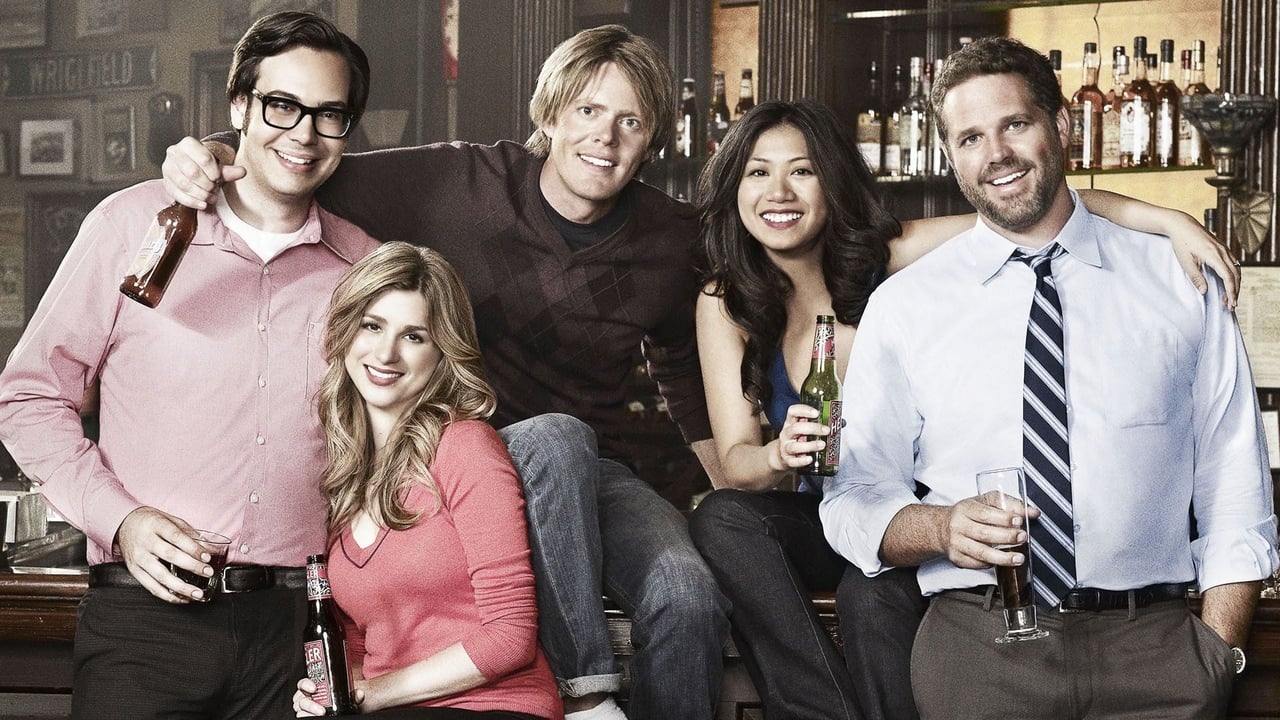 Traffic Light2011 · Comedy
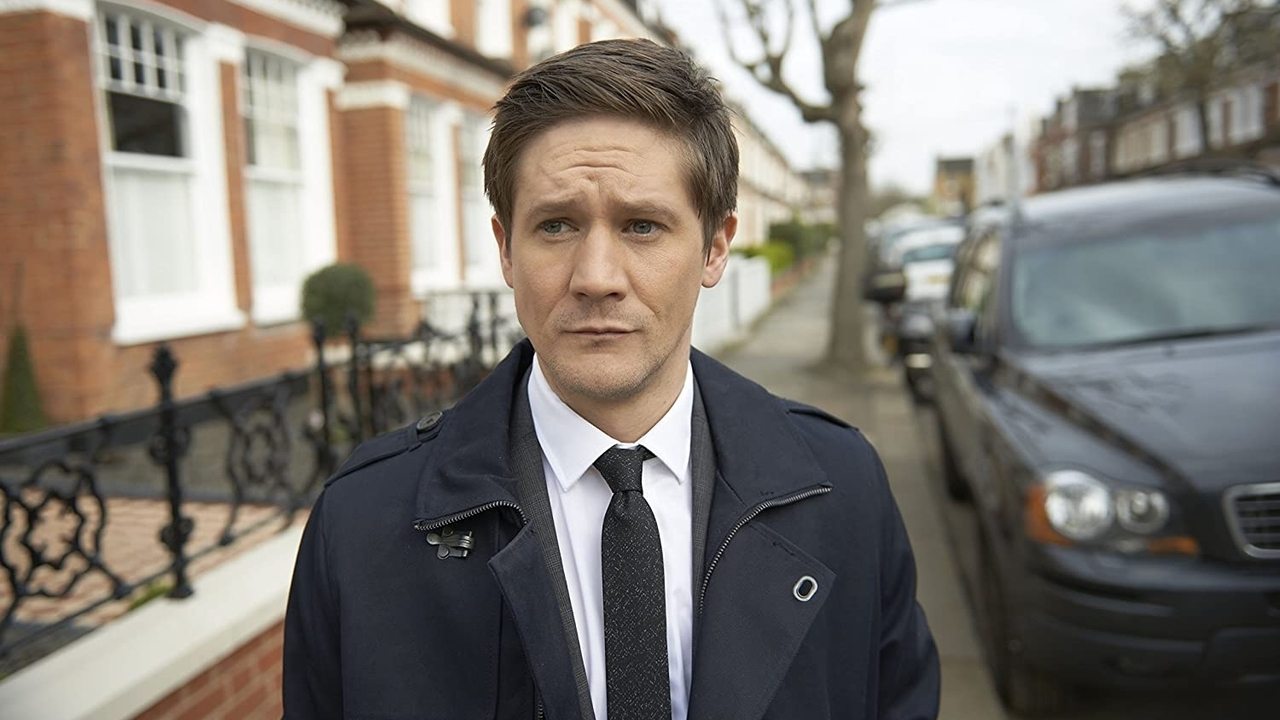 Capital2015 · Drama
 Instant Mom2013 · Comedy
Drama
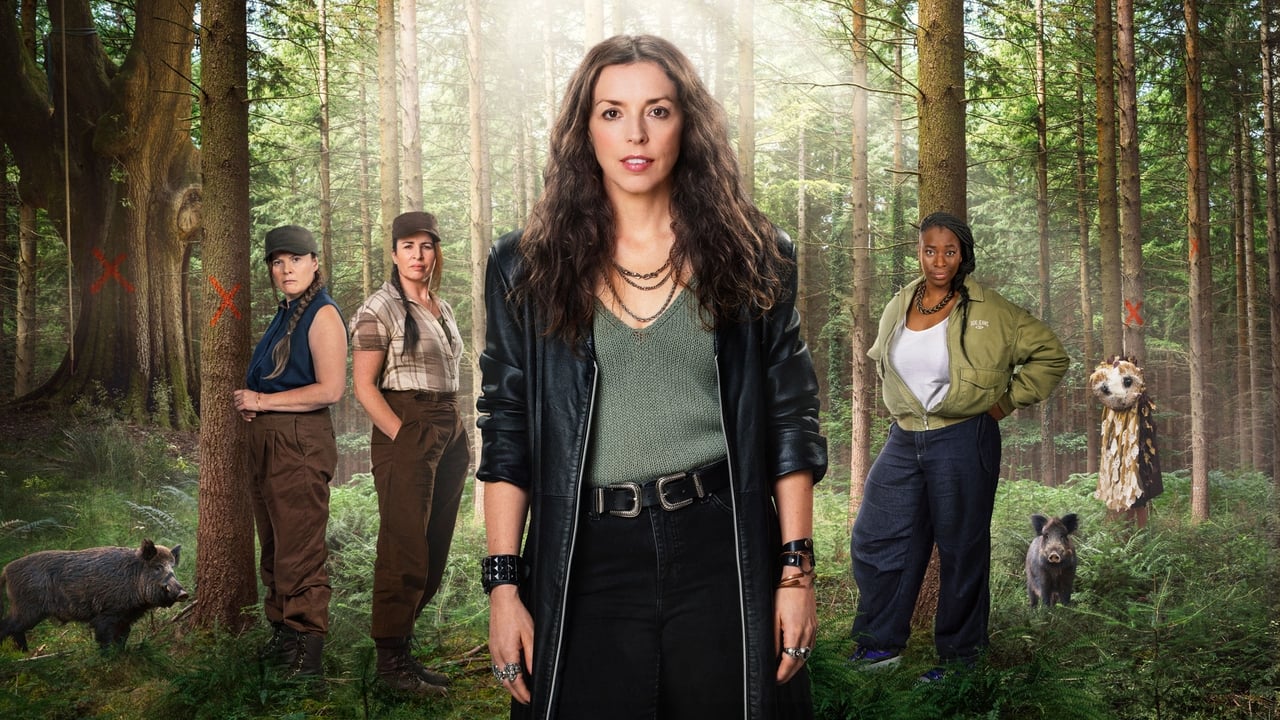 The Change2023 · Comedy, Drama
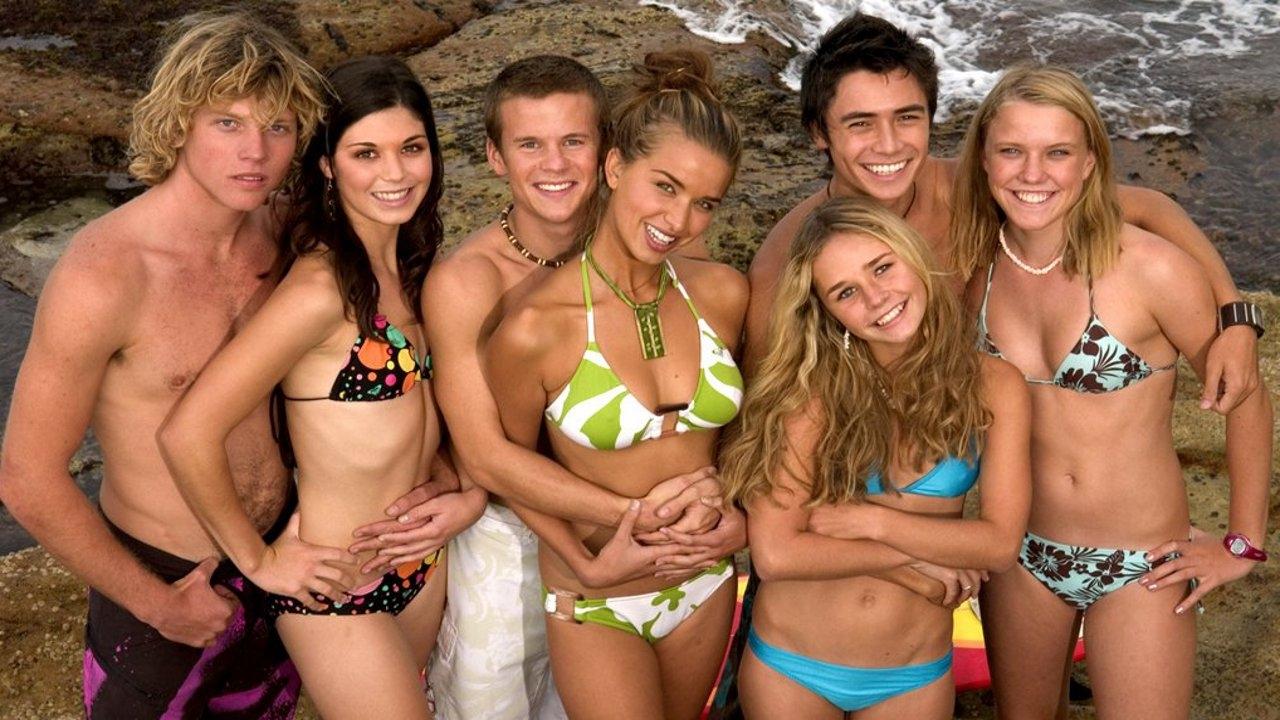 Blue Water High2005 · Drama, Comedy
 Three Rivers2009 · Drama
 Make It Pop2015 · Comedy, Drama
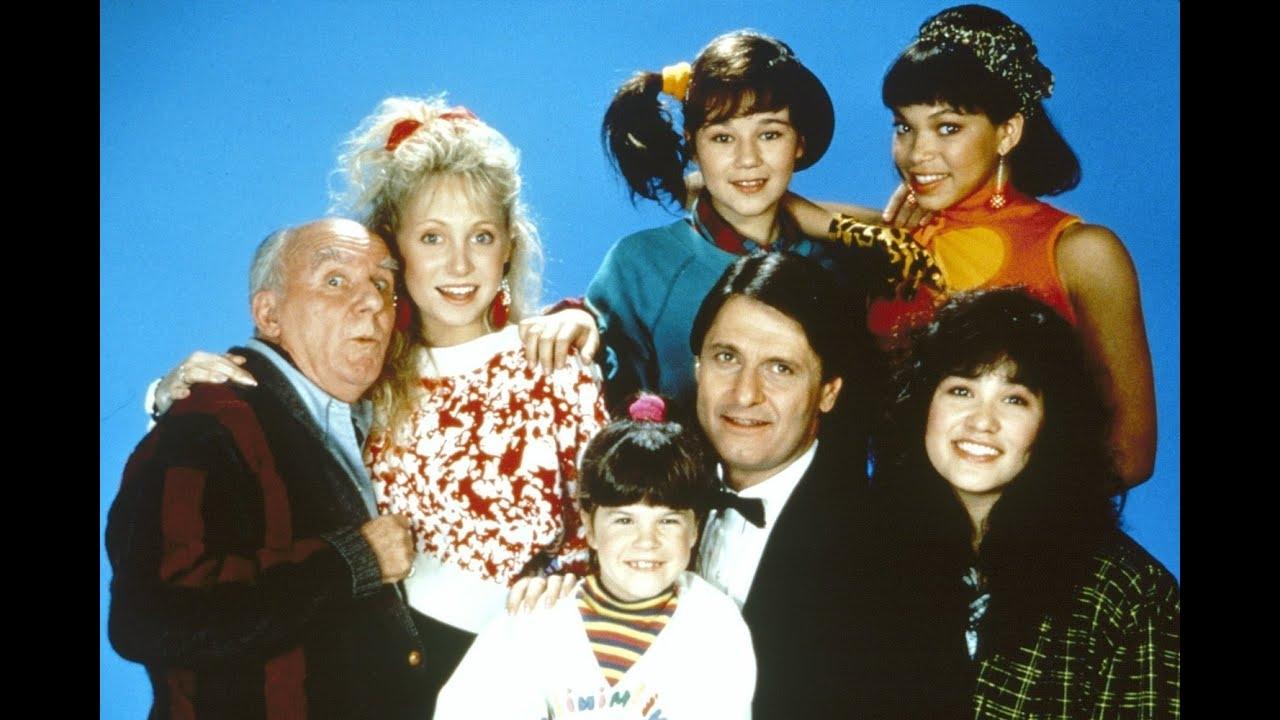 Rags to Riches1987 · Comedy, Drama
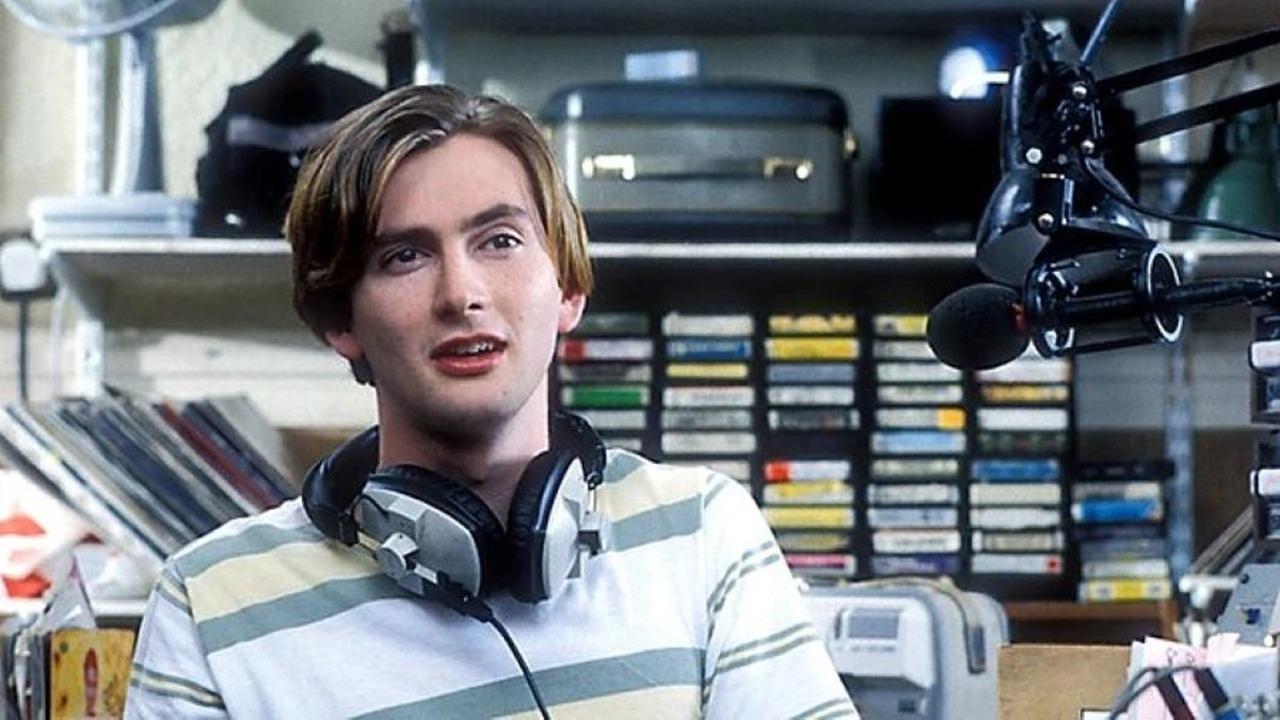 Takin' Over the Asylum1994 · Comedy, Drama
The BrokenSilenze guide
BrokenSilenze: comedies and family series, from The Darling Buds of May, In the House and The Parent 'Hood to Instant Mom, The Worst Week of My Life and Make It Pop
Television keeps its best-known series in plain view, and behind them stands a second shelf that is every bit as enjoyable: the sitcom that ran for five happy years on a small network, the six-part serial that a whole country watched one spring, the children's adventure that a generation remembers by its theme tune. BrokenSilenze is a guide to that second shelf. It gathers 189 English-language series made between 1981 and 2026 in Britain, the United States, Australia, Canada and half a dozen other countries. Each has its own page, its story, its seasons and cast, and a Watch now button that leads to the official services carrying it in your country.
The catalogue has been chosen for the whole household. Every series was read through by hand, and the selection favours situation comedy, family shows, sketch comedy, music dramas, period serials and adventures for younger viewers. Reality programmes, crime series, horror and comedy made strictly for adults were left out. What remains is scripted television of a friendly kind: a farming family in Kent with a gift for enjoying life, a retired football star who lets rooms to a single mother and her children, a bridegroom whose week before the wedding goes wrong hour by hour.
The numbers give a first idea of the shape. One hundred and thirty-one of the series are comedies and eighty are dramas, some of them both at once. Sixty-nine turn on a family, forty-five are about school and growing up, and twenty-nine have music at their centre. Eighty-six come from Britain and Ireland, seventy-seven from the United States and thirty from the wider English-speaking world. Fifty-eight are short serials of eight episodes or fewer, and twenty-four ran for forty episodes or more. In all there are more than 3,800 episodes to choose from.
A first-time visitor can begin with any of six series. The Darling Buds of May is twenty episodes of English summer. In the House stars LL Cool J as a sportsman turned landlord. The Parent 'Hood is Robert Townsend's portrait of a professor's family in New York. Instant Mom gives Tia Mowry three stepchildren overnight. The Worst Week of My Life is British farce at its most precise, and Make It Pop is a bright musical comedy about three roommates who start a band.
How the guide is laid out
BrokenSilenze is drawn on black, with a charcoal menu bar and a single red-orange accent. The logo sits alone at the top; under it the bar carries the menu in capital letters, with My List at its end and a search field at the right. The home page opens with three pictures: one large, with the title of a series across its lower edge, and two smaller ones stacked beside it. Beneath them the page divides into two columns. The wider one holds the series in a grid of broad pictures under red-orange tabs, Latest, Comedy, Family and Drama. The narrower one is a plain list of show names in alphabetical order, followed by the names of the lists.
The lists are the main way through the catalogue. Comedy, Drama, Family and Sketch comedy sort the series by kind. Music, Young viewers and Adventure sort them by subject. Britain and Ireland, America and The wider world sort them by origin, Short serials and Long runs by length, and five lists by decade. Top rated holds the forty-nine with the strongest scores.
A series page on BrokenSilenze is arranged the way a television listing used to be. The picture and the title come first, followed by a strip of labels: the year the series began, how many seasons and episodes it ran, and its TMDB score. A paragraph sets out the premise, the principal actors are named, and a table lists each season with its year and episode count. Last comes the Watch now button and the country menu next to it. The choice of country is remembered from one visit to the next, and the button opens the JustWatch entry for the series, where every service offering it is shown.
American family comedy
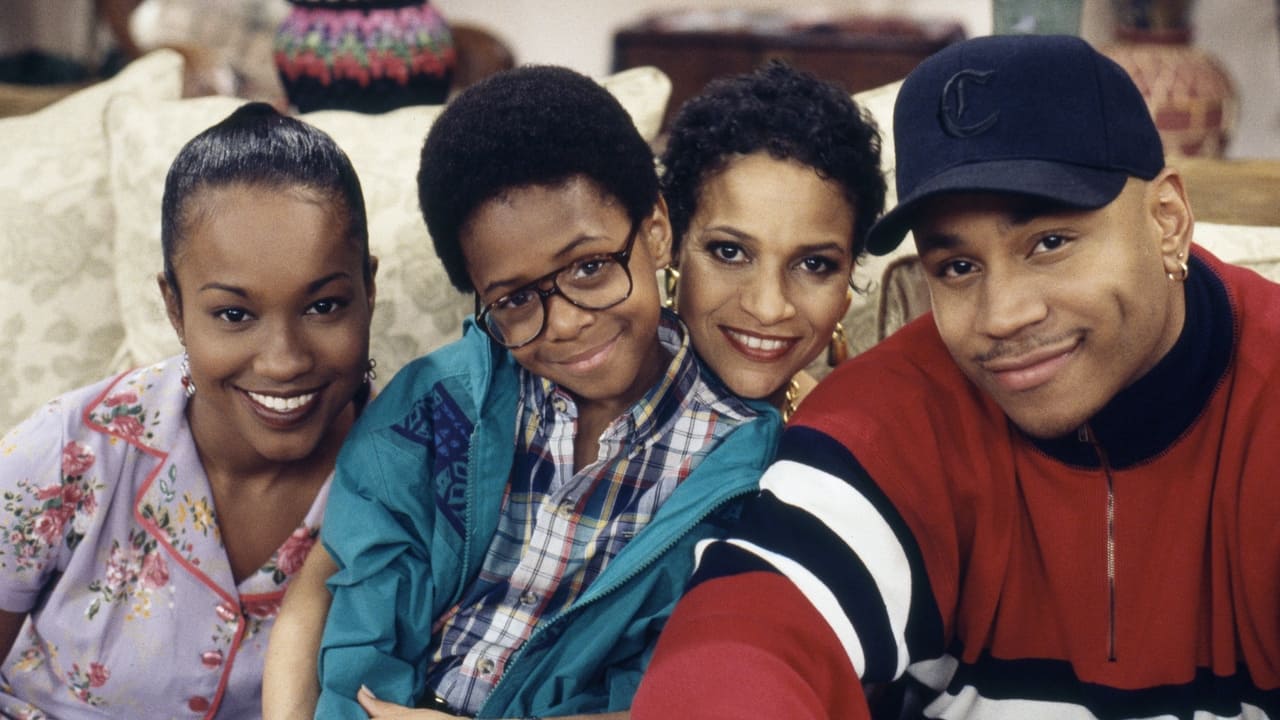
The American family sitcom of the 1990s is one of television's most dependable pleasures, and several of the best examples are here. The Parent 'Hood ran for ninety episodes from 1995. Robert Townsend, who created it, plays Robert Peterson, a college professor in New York, with Suzzanne Douglas as his wife Jerri, a law student, and four children between them. The series is warm, quick and happy to stop for a serious conversation when one is needed. In the House, which began the same year, has LL Cool J as Marion Hill, a professional football player sidelined by injury who rents out most of his Los Angeles house to a newly single mother, played by Debbie Allen, and finds himself with two children to mind.
Instant Mom belongs to a later generation and the same tradition. Tia Mowry plays Stephanie, a food writer in Philadelphia who marries an older man with three children and has to learn the whole business of parenthood at once, under the eye of her own mother, played by Sheryl Lee Ralph. It ran for sixty-five episodes and holds one of the highest scores in the catalogue. The Paynes follows Curtis and Ella Payne, the couple from an earlier hit, into a retirement in Florida that turns out to be anything but restful.
Large households make reliable comedy. Just the Ten of Us grew out of a popular series of the eighties: Coach Graham Lubbock moves his wife and eight children to California, where he teaches at a boys' school and his four eldest daughters become its only female pupils. The Kids Are Alright is set in 1972 in a working-class suburb of Los Angeles, where Mike and Peggy Cleary raise eight sons in a house with one bathroom; Mary McCormack is superb as the mother. Oliver Beene goes back a decade further, to New York in 1962, as seen by an eleven-year-old, and Primo, set in San Antonio, gives a teenager five uncles, each with firm advice about his future.
Other comedies look at marriage and the in-laws. Mad About You returns to Paul and Jamie Buchman, twenty years on, as their daughter leaves for college. United We Fall puts two young parents between a mother-in-law in the spare room and a large family up the street. Your Family or Mine alternates between his relatives and hers, one household per episode, and Worst Week is the American version of the British farce described below. Malibu Country sends Reba McEntire, as a country singer starting again, from Nashville to California with her children and her mother, played by Lily Tomlin.
American originals
Some of the American comedies here were ahead of their time. It's Garry Shandling's Show, which began in 1986, was a sitcom whose leading man knew he was in one. Garry talks to the audience, walks between the sets, skips forward in time when a scene bores him, and the theme song is about being a theme song. Seventy-two episodes were made, and much of the comedy that followed owes it a debt. Buffalo Bill gave Dabney Coleman the part of a vain talk-show host at a small station in Buffalo, a hero who learns very little, which was a daring idea for 1983.
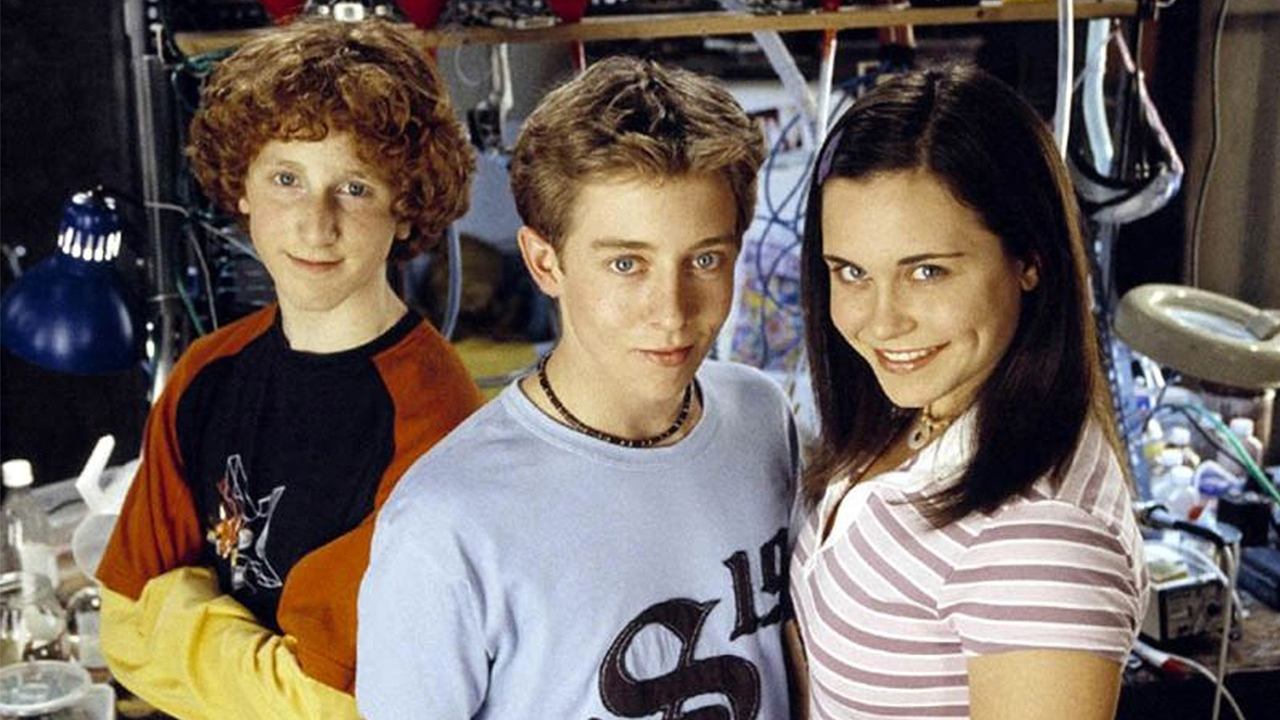
Get a Life stars Chris Elliott as a thirty-year-old paperboy who still lives with his parents; the stories begin as ordinary sitcom plots and wander off into pure invention. Andy Richter Controls the Universe is told from inside the head of a technical writer in Chicago, whose daydreams play out on screen. Square Pegs, from 1982, follows two first-year girls at Weemawee High School, one of them played by a very young Sarah Jessica Parker, and Ferris Bueller turns the famous film into a weekly series.
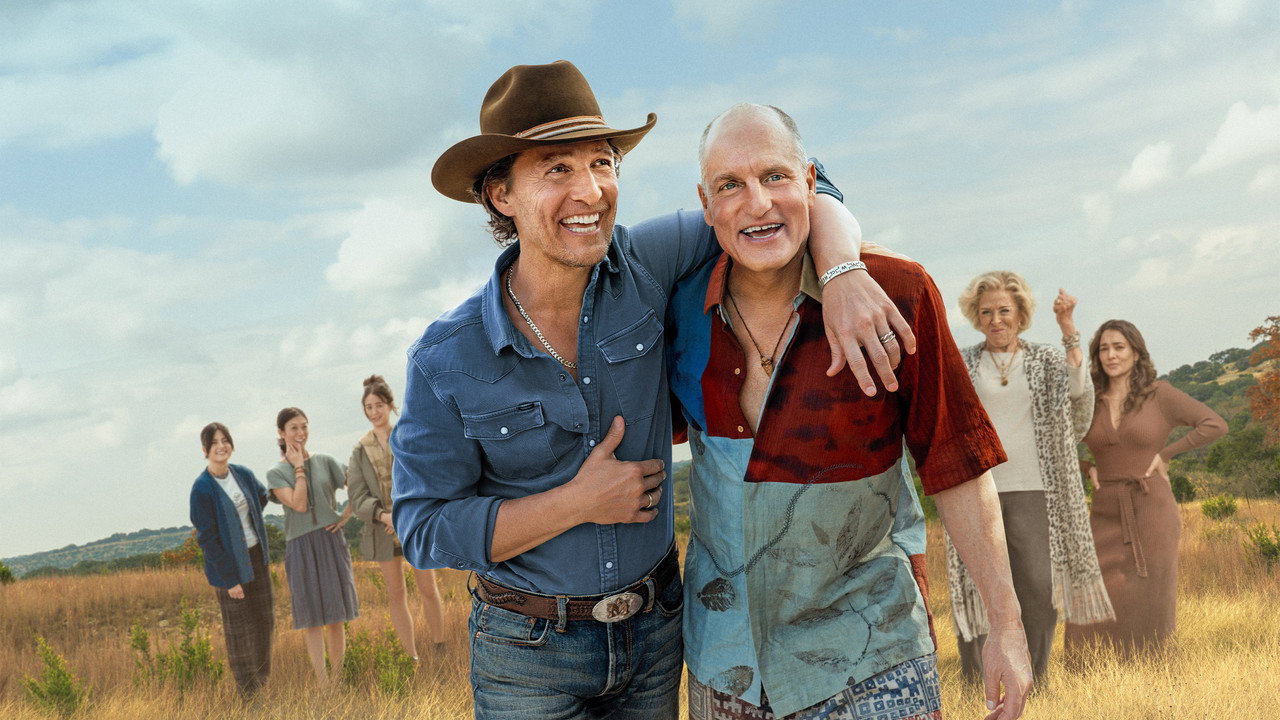
The newer shelf is varied. Stumble is a spoof documentary about a cheerleading coach who must build a new squad at a tiny college. Hal & Harper follows a brother and sister who grew up too close and too fast. Brothers has Matthew McConaughey and Woody Harrelson playing versions of themselves, old friends who move their families onto one Texas ranch. Liza on Demand follows a young woman who takes every odd job an app can offer, and 10 Items or Less was largely improvised by its cast in a working supermarket in Ohio. There's... Johnny! is a gentle story about a nineteen-year-old from Nebraska who lands a job behind the scenes of a famous late-night programme in 1972.
British situation comedy
Eighty-six series come from Britain and Ireland, and the sitcoms among them cover forty years of the form. Ever Decreasing Circles is among the finest. Richard Briers plays Martin Bryce, a man who runs every club and committee in his suburban close and is happy, until a charming new neighbour arrives who does everything better and with far less effort. Penelope Wilton is his patient wife. The comedy is gentle on the surface and surprisingly searching beneath. 2Point4 Children ran for eight series as the story of an ordinary London family, the Porters, to whom extraordinary things kept happening.
The Worst Week of My Life counts down the seven days before Howard and Mel's wedding, one episode per day. Howard, played by Ben Miller, wants only to impress her parents, and each attempt produces a larger disaster than the last, all of them fitted together like clockwork. A second series covers the week before the birth of their child. Dear John, written by John Sullivan, finds its comedy at a weekly club for the recently separated, and Watching follows a Liverpool couple, quick-tongued Brenda and quiet Malcolm, through seven series of falling out and making up.
A group of series continues stories that viewers already loved. The Green Green Grass takes Boycie and Marlene, the car dealer and his wife from a famous London comedy, to a farm in Shropshire. Grace & Favour reunites the staff of a well-known department store sitcom as the unlikely managers of a country hotel. Clarence was Ronnie Barker's last series, in which he plays a short-sighted removal man in the 1930s who falls for a lady's maid. Oh, Doctor Beeching! is set in 1963 at a country railway station whose staff fear for their branch line, and Fresh Fields stars Julia McKenzie as a wife who, with the children gone, takes up a new hobby every week.
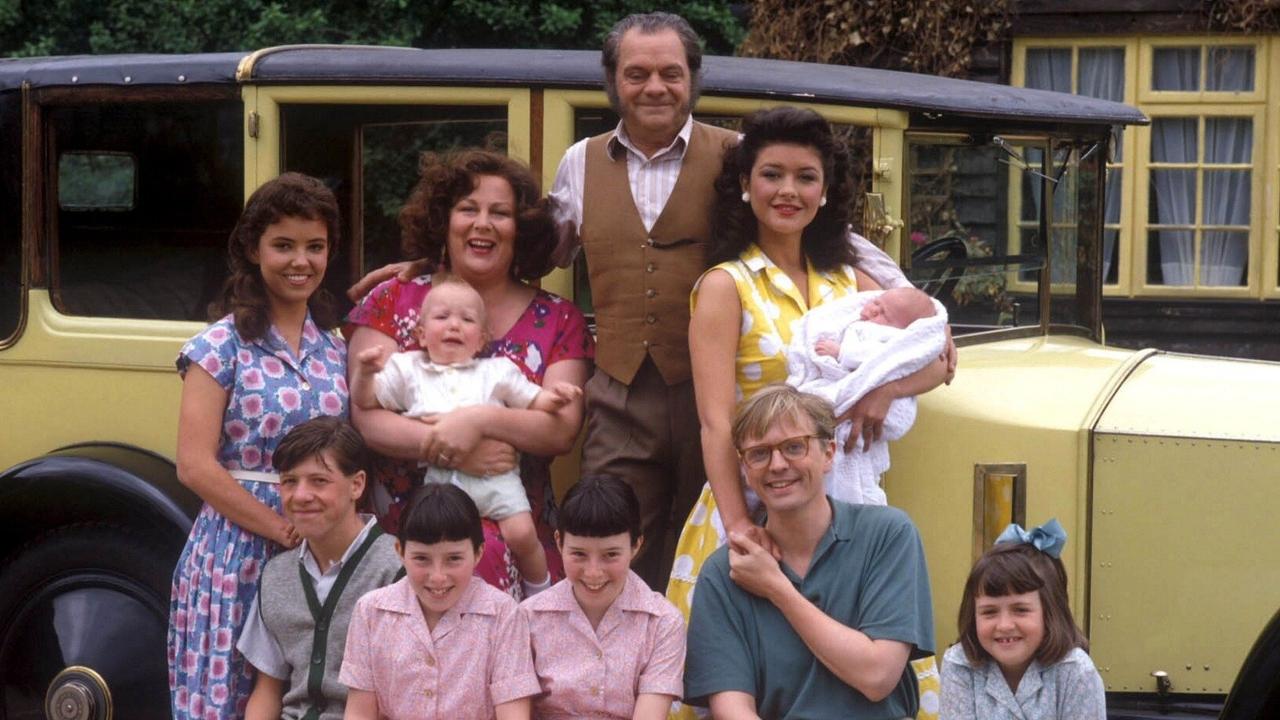
The countryside has its own comedies. The Darling Buds of May, from the novels of H. E. Bates, is the great one: David Jason as Pop Larkin, Pam Ferris as Ma, six children, a farm in Kent in the 1950s, and a young tax inspector who arrives to ask about unpaid forms, stays for lunch and marries the eldest daughter. Catherine Zeta-Jones became a star in the part. Jam and Jerusalem, written by Jennifer Saunders, is set among the Women's Guild of a West Country town, with Sue Johnston as a newly widowed nurse. Blandings brings P. G. Wodehouse's castle to the screen with Timothy Spall as Lord Emsworth, who asks only to be left alone with his prize pig, and Saunders as his formidable sister.
More recent series are smaller and sharper. Two Doors Down is set in a Glasgow suburb where Beth and Eric find it remarkably hard to get the neighbours to go home; it ran for seven series. Lead Balloon stars Jack Dee as a comedian whose every small untruth grows into a catastrophe. Count Arthur Strong pairs a faded variety performer with the son of his old stage partner. Marion and Geoff is Rob Brydon alone in a taxi, talking to a camera on the dashboard, in ten-minute episodes that are funny and very moving. Josh, King Gary, Mister Winner and White Van Man carry the form into the present, and Bridget & Eamon visits an Irish household in the 1980s.
Sketch shows and spoofs
Britain's sketch tradition is well represented. Victoria Wood: As Seen on TV is the summit: two series from the mid-eighties written entirely by Wood, with Julie Walters, Celia Imrie and Duncan Preston, and with the mock soap opera Acorn Antiques, whose wobbling scenery and missed cues became a national joke. Alas Smith and Jones ran for ten series and is remembered above all for the two men in profile, face to face, talking solemn nonsense. Alfresco is a piece of history: Stephen Fry, Hugh Laurie, Emma Thompson, Robbie Coltrane and Ben Elton, all at the very start of their careers.
Goodness Gracious Me began on radio and moved to television in 1998. Its cast of four British Asian performers turned the customs of two cultures inside out, most famously in the sketch where a group of friends in Mumbai go out for an English meal. Harry Enfield's Television Programme introduced a gallery of characters the whole country could imitate, The Sketch Show brought Lee Mack and Tim Vine to a wide audience with jokes of pure wordplay, and Tracey Ullman's Show marked the return to British television of a great impressionist.
The spoof documentary is close kin. People Like Us follows an earnest reporter, heard and almost always out of shot, as he profiles a different profession each week and gets every one slightly wrong. Twenty Twenty Six brings back Ian Fletcher, the well-meaning manager of earlier satires, this time attached to the organisers of a football World Cup. Mid Morning Matters with Alan Partridge watches a local radio presenter through the studio webcam, Cunk & Other Humans on 2019 reviews a year with complete confidence and very little accuracy, and in Dave Gorman's Modern Life is Goodish a comedian with a projector examines the small absurdities of everyday life.
Music on screen
Twenty-nine series have music at their centre, and the true stories among them make a small history of popular song. Sun Records is set in Memphis in the 1950s, in the one-room studio where Sam Phillips recorded a young truck driver named Elvis Presley and, soon after, Johnny Cash, Carl Perkins and Jerry Lee Lewis. American Soul tells how Don Cornelius, a Chicago broadcaster, took a local dance programme to Los Angeles in 1971 and made it a national institution, and it fills its episodes with the artists who appeared there. The Beach Boys: An American Family follows three brothers, a cousin and a friend from a garage in California to the top of the charts.
Cilla is the best of the British portraits. Sheridan Smith plays Cilla Black, a typist from Liverpool who sang at the Cavern in her lunch hour, was introduced to a manager by one of the Beatles and had a number one record at twenty. Smith sings every song herself, and the three episodes are full of the excitement of the city in 1962. Sinatra, a two-part biography made in 1992 with the approval of its subject, covers the singer's life from Hoboken to the height of his fame.
Invented bands are often more fun. Tutti Frutti, written by John Byrne, follows the Majestics, Scotland's self-styled kings of rock, on a silver jubilee tour that goes wrong from the first night. Robbie Coltrane plays the singer's younger brother, drafted in at short notice, and Emma Thompson is the art-school friend who joins on guitar. It is among the most admired British serials of the eighties. Riot Women, written by Sally Wainwright, is its descendant: five women in a Yorkshire town, all past fifty, form a punk band for a local talent contest and find they have a great deal to sing about.
Champion is a family drama set in south London, where a rapper returning home discovers that his sister, long his assistant, has the greater talent. Mix Tape moves between Sheffield in 1989 and the present day as two former sweethearts exchange songs across the world. Royalties is a comedy about a pair of songwriters for hire, with a new song in every episode, and Pitch Perfect: Bumper in Berlin sends a character from the films to try his luck in Germany. Rags to Riches, a musical series of the eighties set in the early sixties, has a millionaire adopt five girls from an orphanage, who break into the hits of the day every time the story allows.
For younger viewers there is Make It Pop, in which three girls assigned to the same room at boarding school form a group with the help of a classmate who produces their songs; S Club 7, the adventures in America of the British pop group of that name; Penny on M.A.R.S., set at a performing arts school in Milan; and the sing-along edition of High School Musical: The Musical: The Series: The Sing-Along. The Legion of Extraordinary Dancers tells a superhero story entirely through dance, with some of the best street dancers in the world.
Dramas of friendship and work
The eighty dramas in the catalogue are mostly stories of ordinary lives. Any Day Now is the most substantial, with eighty-eight episodes over four seasons. Annie Potts and Lorraine Toussaint play Mary Elizabeth and Rene, who were best friends as girls in Birmingham, Alabama, in the 1960s and meet again as grown women; each episode moves between the two periods, so that a childhood memory answers a present-day question. It is a serious and affectionate series about friendship across a divided city.
Hospitals supply a good number of stories. The Royal is set in a cottage hospital on the Yorkshire coast in the 1960s and ran for eighty-seven episodes, with a soundtrack of the period's hits. RFDS: Royal Flying Doctor Service follows the doctors, nurses and pilots who serve the Australian outback from the base at Broken Hill, and its landscapes alone are worth the visit. Three Rivers is about a transplant team in Pittsburgh, each episode told from the points of view of the donor, the patient and the surgeons. Breathtaking, with Joanne Froggatt, is drawn from a doctor's own account of the spring of 2020, and Rescue: Special Ops follows a team of paramedics in Sydney who are sent where ambulances are unable to go.
Other dramas are set in workplaces of a quieter kind. Kingdom stars Stephen Fry as a country solicitor in a Norfolk market town, with a case of the week and a gallery of local eccentrics. Bluff City Law has Jimmy Smits as the head of a Memphis firm that takes on civil rights cases, working beside his daughter. Ordinary Lies is set in a car showroom and then a sports warehouse, where one small untruth per episode gets out of hand, and Moving On is a long-running collection of single plays about people at a turning point. The Smoke follows a London fire crew.
Period serials and the bookshelf
The short serial adapted from a novel is something British television does especially well, and BrokenSilenze has a shelf of them. Sense and Sensibility, the BBC's seven-part version of 1981, is the earliest series in the catalogue and a faithful, unhurried reading of Jane Austen. Love in a Cold Climate combines two novels by Nancy Mitford into two long episodes about three girls of good family and their very different ideas of a good marriage. Outrageous, made in 2025, tells the true story behind those novels: the six Mitford sisters, whose choices in the 1930s took them to opposite ends of the politics of their day.
The saga of a family rising in the world is another favourite. A Woman of Substance follows Emma Harte from kitchen maid in an Edwardian country house to head of a great retail business, with Jenny Seagrove as the young Emma and Deborah Kerr as the old. The Hardacres begins on the fish docks of Yorkshire in the 1890s, where a family makes an unexpected fortune and has to learn how to live with it. Kane & Abel, from the novel by Jeffrey Archer, sets a Boston banker and a Polish immigrant, born on the same day, on a lifelong course of rivalry. All the Rivers Run is the Australian classic of the kind, the story of a young painter and a paddle steamer on the Murray River.
Berkeley Square follows three nannies who meet in the gardens of a London square in 1902 and become friends across the differences in their employers' households. The Great Fire recreates four days in September 1666 through the baker in whose shop the fire began. Little House on the Prairie is the 2005 serial drawn directly from the first books of Laura Ingalls Wilder, and Seeking Persephone is a Regency romance about an arranged marriage that becomes a true one.
Some adaptations move the book to the present. ShakespeaRe-Told resets four plays in modern Britain, with one comedy moved to a television newsroom and The Taming of the Shrew to Parliament. Capital follows the residents of a single street in south London, each of whom receives the same anonymous postcard. Perfect Strangers, by Stephen Poliakoff, takes place at a grand family reunion where a young man learns the histories of relatives he has only just met. The Secret Diary of Adrian Mole Aged 13¾ and The Growing Pains of Adrian Mole bring Sue Townsend's teenage diarist to the screen, and The Bleak Old Shop of Stuff is an affectionate send-up of every Dickens adaptation ever made.
School days and young viewers
Forty-five series are about school and growing up, and many were made for young audiences. Australia has long been the leading producer of this kind of television. Blue Water High takes seven teenagers each year to a surf academy on a Sydney beach, where they live together, attend school and compete for a professional contract; it ran for seventy-eight episodes. Wicked Science begins with a laboratory accident that turns two classmates into geniuses, one generous and one ambitious. Lightning Point lands two visitors from another planet in a quiet surf town, and Pugwall follows a thirteen-year-old and his garage band.
Canada contributes Student Bodies, set around a high school newspaper, with the editor's cartoons coming to life in the margins, and The Zack Files, about a boy to whom strange things happen every week. Ruby and the Well gives a girl an orchard, a well and the task of granting other people's wishes, and Endlings is an environmental adventure about four foster children and a visitor who collects the last members of vanishing species.
From the United States come Just Jordan, about a boy who moves from Arkansas to Los Angeles and works in his grandfather's diner; Cousins for Life; Talia in the Kitchen, in which a fourteen-year-old discovers she can cook with a little magic; and All That, the sketch show performed entirely by young comedians. Flight 29 Down strands a school party on a Pacific island and watches them organise themselves, Space Cases strands a class of cadets on a starship far from home, and Best.Worst.Weekend.Ever. sends four friends on a road trip to a comics convention. The Baby-Sitters Club is the first screen version of the much-loved books.
For the very youngest, Welcome to Pooh Corner presents the friends of the Hundred Acre Wood as life-size puppets in one hundred and twenty short episodes, and The Borrowers is the BBC's lovingly made serial about the tiny family beneath the floorboards, with Ian Holm and Penelope Wilton. Older children may enjoy The Tripods, a science fiction adventure of the eighties in which three boys cross a future Europe, and The Wizard, about a toymaker and inventor who uses his creations to help people in trouble. extr@ English deserves a special word: it is a sitcom written to teach the language, and a pleasant way for learners of any age to practise.
The wider world
Thirty series come from beyond Britain and the United States. Australian drama has a relaxed, sunlit character of its own. Five Bedrooms begins at a wedding, where five guests at the singles table decide to buy a house together, and follows the arrangement through four series. The Letdown is an honest comedy about a new mother and her parents' group. The Moodys visits one family on eight occasions in a year, from Australia Day to Christmas. Austin brings a British children's author to Canberra, where a young man introduces himself as the son he had been unaware of; Michael Theo, who plays Austin, is the heart of the series. Barracuda is set at an elite Melbourne school in 1996, where a scholarship swimmer trains for the Olympic team.
Australian comedy is represented by The Adventures of Lano and Woodley, a pair of clowns sharing a flat, which holds the highest score of any series here, and Soul Mates, which follows the same two friends through several lifetimes. New Zealand sends Mean Mums, set at the gates of a primary school, and New Zealand Spy, in which an intelligence agency recruits through a newspaper advertisement and gets what it deserves.
From Canada come One More Time, a workplace comedy set in a second-hand sports shop whose manager is hard of hearing, like the comedian who plays him; Nirvana the Band the Show, about two musicians with a hundred schemes to get a booking at one Toronto club; Ride, a drama about a rodeo family in Alberta; and Bordertown, a western of the late eighties set in a town that straddles the frontier, policed by a Canadian Mountie and an American marshal who share one office.
Three series come from further afield. Country Queen is a Kenyan drama about an events planner from Nairobi who returns to her village as a mining company arrives. Miseducation is a South African comedy about a would-be influencer starting again at a small-town university, and Eternally Confused and Eager for Love follows a shy young man in Mumbai who takes advice from an imaginary wizard.
Adventure and fantasy
The adventure list is short and full of curiosities. Fantasy Island, in its 1998 version, has Malcolm McDowell as the host of a resort where guests live out a wish and learn what it costs. Night Man is a superhero series of the late nineties about a saxophonist who can hear trouble coming, and Adventure Inc. follows a team of explorers for hire working out of the Florida Keys. Do Over sends a disappointed man of thirty-four back to 1981 and his fourteen-year-old self, with a chance to put things right.
British fantasy leans toward comedy. This Is Jinsy is set on an imaginary island whose customs, songs and television programmes are all slightly askew. Quacks follows four medical pioneers in Victorian London, at a time when surgery was a public performance. Mystery Science Theater 3000, the American favourite, keeps its old recipe: a host and two robot companions, marooned on a satellite, watch a film of modest quality and talk all the way through it.
Romance and friendship
A handful of series are love stories pure and simple. Cherish the Day, created by Ava DuVernay, follows one couple, with each episode covering a single day in their years together. Jack & Jill is a light romance of the late nineties about six friends in New York, starting with a medical student named Jill who meets a toy designer named Jack. Single by 30 returns to two school friends who once promised to marry each other if both were still single at thirty, and True Love tells five stories set in one seaside town, with the dialogue improvised by the actors.
Privileged gives a young journalist a job as live-in tutor to two heiresses in Palm Beach. American Princess sends a runaway bride to join the company of a Renaissance fair. Boomerang follows the children of a famous film's characters as they start out in the advertising business in Atlanta. How Do You Want Me? stars Dylan Moran as an Irish city-dweller who marries into an English village that views him with deep suspicion, and The Book Group gathers a mismatched set of readers in Glasgow. Living the Dream moves a Yorkshire family to a trailer park in Florida, and There She Goes, with David Tennant and Jessica Hynes, is a truthful and often funny account of life with a daughter who has a rare learning disability.
Comedies of the workplace
The office, the shop and the hospital corridor are natural stages for comedy, and a dozen series here make good use of them. Porters follows an ambitious young man who dreams of becoming a doctor and begins, as he must, by pushing trolleys. Defending the Guilty is about a trainee barrister in London competing with three others for one permanent place in chambers, and learning that the law in practice is quite unlike the law in books. Carpoolers finds four suburban men whose only time to talk freely is the shared drive to work, and Traffic Light follows three old college friends, one single, one newly settled and one married with a child, who keep in touch by telephone from their cars.
Meet the Richardsons is a comedy in which two married stand-up comedians play slightly exaggerated versions of themselves at home in Yorkshire, with their real friends and neighbours dropping in. FM is set at a small independent radio station, where the two presenters of the afternoon show argue about music with every guest. GameFace stars Roisin Conaty as an actress between parts who fills her days with driving lessons and temporary jobs, and Raised by Wolves, written by Caitlin Moran and her sister, is about a single mother bringing up six clever, home-schooled children on a Wolverhampton estate. Bette gave Bette Midler a sitcom in which she played herself, a star with a patient husband, a teenage daughter and a schedule that leaves little room for either.
Chance in a Million deserves a paragraph of its own. Simon Callow plays Tom Chance, a man to whom coincidences happen all day long, and who speaks in clipped phrases, dropping every small word; Brenda Blethyn is the shy librarian who meets him on a blind date meant for someone else. Three series were made in the mid-eighties, and the pleasure lies in watching the plots fold in on themselves. Almost Royal sends two fictional young aristocrats, distant heirs to the throne, on a tour of the United States, where they interview real Americans with perfect, puzzled politeness.
Faces to follow
Part of the pleasure of a catalogue like this is meeting familiar actors in unfamiliar places. David Tennant appears four times: as the manic young patient who runs a hospital radio station in Takin' Over the Asylum, made in 1994 when he was twenty-two; as the father in There She Goes; in True Love; and in Twenty Twenty Six. Stephen Fry can be seen at the very start in Alfresco and at ease in Kingdom. Emma Thompson is in Alfresco and Tutti Frutti, and Penelope Wilton in Ever Decreasing Circles and The Borrowers.
Jennifer Saunders wrote Jam and Jerusalem and reigns over Blandings. Steve Coogan plays six different leading men in the six films of Coogan's Run and returns as his most famous creation in Mid Morning Matters with Alan Partridge. Dylan Moran leads both How Do You Want Me? and, twenty-four years later, Stuck. Lesley Sharp appears in Capital and Living the Dream, Sue Johnston in Jam and Jerusalem and Rovers, a comedy about the supporters of a very small football club, and Rory Kinnear in Count Arthur Strong and Quacks.
On the American side, Tisha Campbell can be seen as a teenager in Rags to Riches, and Raven-Symoné, grown up, leads State of Georgia as an aspiring actress in New York, with Loretta Devine as her aunt. Christina Vidal Mitchell is the mother in both Primo and United We Fall. Tim Baltz appears in Shrink, about a medical graduate offering free therapy from a garage, and in Bajillion Dollar Propertie$, a spoof of property programmes. Laurence Fishburne plays Nelson Mandela in Madiba, a three-part life of the South African leader, and Idris Elba created and appears in In the Long Run, a comedy drawn from his own childhood in east London in the 1980s, where a family from Sierra Leone makes its home on a housing estate.
Short serials and long runs
The catalogue divides neatly by length, and the two ends suit different moods. Fifty-eight series run to eight episodes or fewer and can be finished in a weekend. Among the shortest are Love in a Cold Climate, Sinatra and The Beach Boys: An American Family, at two parts each, and Cilla, Capital, Madiba, Breathtaking and A Woman of Substance, at three. Six-part British serials are the commonest size: Takin' Over the Asylum, Tutti Frutti, Riot Women, Outrageous and Clarence among them.
At the other end, twenty-four series offer forty episodes or more, enough to keep a household supplied for a season. Welcome to Pooh Corner is the longest, followed by The Parent 'Hood at ninety episodes, Any Day Now at eighty-eight and The Royal at eighty-seven. Blue Water High, Bordertown and In the House pass seventy, and It's Garry Shandling's Show reaches seventy-two. Half-hour comedies make the easiest long companions; a pair of episodes fills an evening comfortably.
Every series page states the number of seasons and episodes beneath the title and lists each season separately, so the size of the commitment is clear before you begin. The Short serials and Long runs lists gather the two ends, and everything in between, usually twelve to thirty episodes, can be found through the other lists.
Five decades
The series span forty-five years, and each decade has its own flavour. The twenty-eight from the eighties include the great British sketch shows, the first mini-series sagas and American comedies such as Square Pegs and Three's a Crowd, in which John Ritter continued a character he had played for eight years. The twenty-six from the nineties are the home of the family sitcom and of children's adventure. The thirty-six from the 2000s show the single-camera comedy arriving, with Lead Balloon, Carpoolers and Clark and Michael, an early series made for the web by two young actors.
The 2010s are the largest group, with sixty-four series, as channels and services multiplied and short runs became the rule. The thirty-five from the present decade reach to 2026 and include Small Town, Big Story, in which a Hollywood production arrives in a village in the west of Ireland; The Change, Bridget Christie's comedy about a woman who rides her motorbike to the Forest of Dean to reclaim some time for herself; and The Power of Parker, set among the electrical shops of Stockport in 1990.
How the series were chosen
The selection began with a survey of English-language scripted series that have a good score from viewers and a modest number of votes: programmes that people who saw them liked very much, and that many people have yet to see. Nearly seven hundred were considered. Reality formats, game shows, award ceremonies and sports entertainment were set aside first, since BrokenSilenze is a guide to stories. Then every remaining series was read through, and crime dramas, horror, and comedy written strictly for adults were removed.
What was kept had to pass a simple test: could a household of mixed ages sit down to it together? Some of the dramas are serious, and a few deal with illness or hard times, but all of them treat their characters with respect and leave the viewer better company than they found them. Three descriptions were rewritten in plainer words.
BrokenSilenze keeps its series to itself among the guides of its family; each title was chosen for this catalogue alone. That is one reason the most famous sitcoms are absent, since they already have a home elsewhere, and it is also the source of the catalogue's character. Almost everything here is a discovery for somebody. A viewer raised in Britain may know every sketch show and have yet to meet the American family comedies; a viewer raised in the United States may find the reverse; and the Australian and Canadian series will be new to both.
Using BrokenSilenze
The search field in the menu bar is the quickest way to a known series. It answers as you type and accepts the common alternative titles. The A-Z page sets all 189 series out in alphabetical order, the Shows page arranges them by popularity, and the side column of the home page offers a sample of names to browse.
My List is the guide's memory. Add to My List appears on every series page, and the link at the end of the menu bar shows what you have gathered. All of it is saved by the browser, on the phone or computer you are using; a title stays until you take it off, and the list can be exported as a file and brought in again on another machine.
The help pages cover each part of the catalogue in a few lines: How to watch, Comedy, Family, Drama, Sketch comedy, Music, Young viewers, Adventure, Britain and Ireland, America, The wider world, Short serials and Decade by decade, with Finding titles and My List for the tools.
A first month
A newcomer who would like a plan can take four weeks. In the first, settle in with a family sitcom from each side of the Atlantic: The Parent 'Hood on weekdays and The Darling Buds of May at the weekend. In the second, try the short serials: Cilla over three evenings, then Takin' Over the Asylum over six. In the third, give the younger members of the household the choice, from Blue Water High, Flight 29 Down or Wicked Science, and keep Victoria Wood: As Seen on TV for the adults afterwards.
In the fourth week, travel: RFDS: Royal Flying Doctor Service for the Australian outback, Country Queen for Kenya, Bordertown for the Canadian frontier and Primo for Texas. By then the side column will be full of familiar names, and Top rated will supply the next month.
Questions and answers
Questions
What is BrokenSilenze?
BrokenSilenze is a guide to 189 English-language television series chosen for the whole household, each with its story, cast and a Watch now button to the official services that carry it.
Which series should I watch first?
Start with The Darling Buds of May, In the House or The Worst Week of My Life. All three are warm, funny and easy to begin.
Is the catalogue suitable for families?
Yes. Every series was read through by hand, and crime dramas, horror and comedy made strictly for adults were left out.
Does BrokenSilenze list reality programmes?
The guide lists scripted comedy and drama only. Reality formats, game shows and award ceremonies are outside its scope.
Where do the series come from?
Eighty-six come from Britain and Ireland, seventy-seven from the United States and thirty from Australia, Canada, New Zealand, Kenya, South Africa, India and Italy.
Are there short series?
Yes. Fifty-eight series run to eight episodes or fewer, and the Short serials list gathers them.
How does My List work?
Press Add to My List on any series page. The list is kept by your browser on your own device and can be saved to a file.
Does BrokenSilenze host episodes or downloads?
BrokenSilenze is a guide only. Every Watch now button opens JustWatch, which lists the official streaming, rental and purchase services for your country.